RROG

Economic Area Development Council of the Kostrzyn–Słubice Special Economic Zone S.A. – an advisory body and a platform for dialogue between business and local government.

Area of Activity of the Council

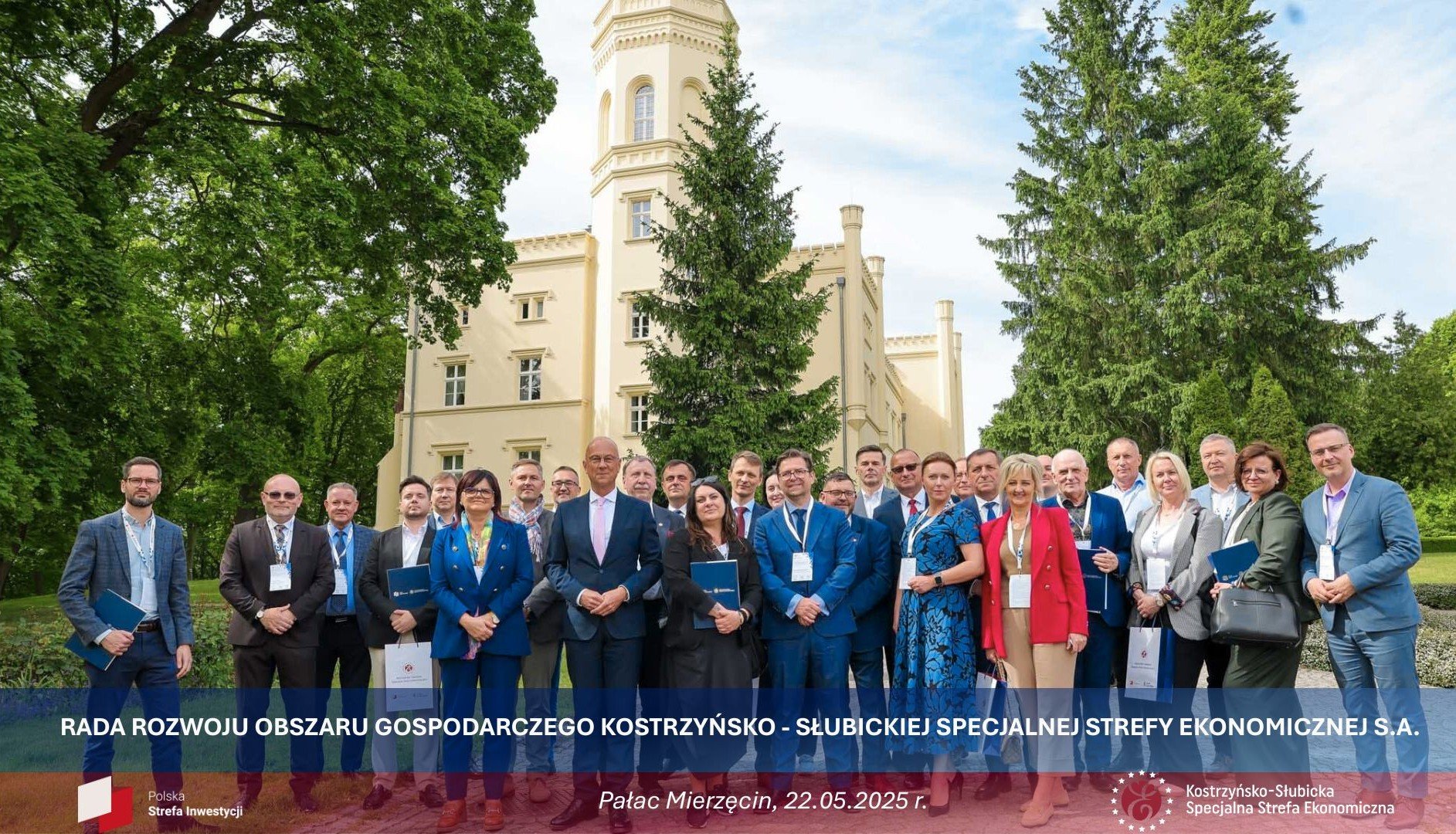
The Economic Area Development Council of the Kostrzyn–Słubice Special Economic Zone S.A. was established on 22 May 2025 in Mierzęcin and consists of 36 members. Its area of activity is the area in which K-S SSE S.A. performs the tasks specified in the Act of 10 May 2018 on the support of new investments (Journal of Laws of 2025, item 469). These are:

3
VOIVODESHIPS
40
COUNTIES
238
MUNICIPALITIES

Organization and Operating Procedure

The organization and working procedure of the Council are defined by the Rules of Procedure, adopted by the Council at its first meeting on 22 May 2025 in Mierzęcin.

📄 Rules of Procedure of the Economic Area Development Council

Rules of Procedure

of the Economic Area Development Council

of the Kostrzyn–Słubice Special Economic Zone S.A.

approved on 22 May 2025

I. GENERAL PROVISIONS

§ 1

  1. The Economic Area Development Council of the Kostrzyn–Słubice Special Economic Zone S.A. has been established to operate within the area in which the Kostrzyn–Słubice Special Economic Zone S.A. performs the tasks specified in the Act of 10 May 2018 on the support of new investments (Journal of Laws of 2025, item 469).
  2. These Rules of Procedure define the organization and the principles of operation of the Economic Area Development Council of the Kostrzyn–Słubice Special Economic Zone S.A.

§ 2

The Economic Area Development Council of the Kostrzyn–Słubice Special Economic Zone S.A. operates on the basis of Article 11 of the Act on the support of new investments and these Rules of Procedure.

§ 3

Glossary of terms:

  1. Council – the Economic Area Development Council of the Kostrzyn–Słubice Special Economic Zone S.A.;
  2. Managing Entity – the Kostrzyn–Słubice Special Economic Zone S.A.;
  3. Act – the Act of 10 May 2018 on the support of new investments;
  4. Area – the areas in which the Area Managing Entity performs the tasks specified in the Act.

II. COMPOSITION AND METHOD OF APPOINTMENT OF THE COUNCIL

§ 4

  1. The Council shall consist of from 15 to 50 Members.
  2. The Council shall include:
    1. representatives of entrepreneurs operating within the area of the Managing Entity on the basis of valid permits/support decisions, including at least one representative each of micro, small and medium-sized enterprises and at least one representative of large enterprises; it is assumed that four (4) representatives of entrepreneurs are appointed for each voivodeship included in the Area; in the absence of micro-enterprises holding valid Support Decisions, the participation of two representatives of small enterprises shall be permitted;
    2. representatives of local government units, excluding the local governments referred to in item d of this paragraph, located within the boundaries of the Area of the Managing Entity; it is assumed that four representatives of municipal and county local governments are appointed for each voivodeship included in the Area, including at least two representatives of municipal local governments;
    3. Marshals of the voivodeships included in the Area, with the possibility for a Marshal to participate through his or her representative;
    4. representatives of local government units forming part of the shareholding structure of the company managing the Area, one representative per municipality;
    5. representatives of regional social dialogue councils.

§ 5

  1. The Managing Entity selects the members of the Council.
  2. When selecting members of the Council, the Managing Entity seeks to maintain a balance between the groups of entities represented in the Council.
  3. The Managing Entity allows the possibility for Council Members to recommend additional candidates for the Council, provided that new members represent the groups specified in § 4 paragraph 2 letters a and b.
  4. The total number of Council members should not exceed 50 persons.

§ 6

  1. Council Members are appointed for a joint four-year term of office of the Council.
  2. The term of office of a Council Member shall expire in the event of:
    1. dismissal of the Council Member by the Managing Entity;
    2. death of the Council Member;
    3. resignation from membership in the Council.
  3. In the event of cessation of the function of a representative of a local government unit or a representative of a regional social dialogue council, the Council Member is obliged to submit a resignation from membership in the Council within 30 days. In the event of failure to submit a resignation within the specified period, membership in the Council shall expire upon the ineffective lapse of that period.
  4. If a Council Member is appointed during the course of the joint four-year term of the Council, his or her term shall expire simultaneously with the end of the term of the entire Council.

III. POWERS OF THE COUNCIL

§ 7

  1. The Council presents opinions and motions on matters relating to the conduct of business activity within the Area and proposes directions of action aimed at improving the business environment and the socio-economic development of the Area.
  2. The Council may submit to the authorities of municipalities or counties located within the Area in which it operates recommendations regarding actions that may contribute to increasing the investment attractiveness of a given municipality or county.
  3. The opinions and motions of the Council are not binding on the Managing Entity.

IV. ORGANIZATION AND MODE OF OPERATION OF THE COUNCIL

§ 8

  1. The organization and mode of operation of the Council are defined by the Rules of Procedure adopted by the Council at its first meeting.
  2. At the first meeting, the Council Members elect from among themselves the Chairperson, Vice-Chairperson and Secretary of the Council. The election shall be carried out by a simple majority of votes.
  3. Candidates for the position of Chairperson, Vice-Chairperson and Secretary of the Council may be nominated by any Council Member. The candidate must consent to performing the function.
  4. The Council may at any time dismiss the Chairperson, Vice-Chairperson and Secretary of the Council from their functions.
  5. The Chairperson, Vice-Chairperson or Secretary of the Council may resign from the function. A written statement of resignation shall be submitted to the Managing Entity. In the event that the Chairperson, Vice-Chairperson or Secretary of the Council is dismissed or ceases to perform the function for other reasons, the Council shall elect a new person to the vacant function at the next meeting.

§ 9

  1. The Council shall hold meetings as needed, but not less frequently than once a year.
  2. The first meeting of the Council shall be convened by the Managing Entity, as well as other meetings during periods when the position of Chairperson is vacant.
  3. Subsequent meetings of the Council shall be convened by the Chairperson of the Council after written agreement on the date and place with the Managing Entity.
  4. The Chairperson shall convene meetings of the Council by notifying its members at least 14 days in advance to the email address provided by them.
  5. In the invitation to the Council meeting, the Chairperson shall specify the date of the meeting, the place of deliberations and the agenda.
  6. Each Council Member may submit proposals for agenda items together with a draft resolution no later than 7 days before the scheduled date of the meeting.
  7. The work of the Council shall be chaired by the Chairperson, and in his or her absence, by the Vice-Chairperson or the Secretary.
  8. It is permitted for Council meetings to be held online.
  9. Electronic voting is permitted in cases where there is no requirement for a secret ballot.
  10. At least two representatives of the Managing Entity shall participate in Council meetings, without the right to vote on resolutions.
  11. Council meetings shall be held with a minimum attendance of one quarter of the Council's composition, including the participation of the Chairperson or Vice-Chairperson.

§ 10

  1. The Chairperson is responsible for organizing Council meetings and preparing materials for meetings.
  2. The Secretary of the Council is responsible for maintaining the Council's documentation.
  3. Council Members are obliged to:
    1. participate in meetings and work of the Council;
    2. maintain confidentiality in matters constituting official or commercial secrets concerning the Area and enterprises located within the Area.

§ 11

  1. The Council adopts resolutions by voting.
  2. Voting shall be open, except for personal matters, in which the Chairperson orders a secret ballot.
  3. Open voting in personal matters is permitted if the Chairperson so decides. An objection raised in this respect by the person concerned shall result in the necessity to conduct a secret ballot.
  4. Resolutions of the Council shall be adopted by a simple majority of votes of members present at the meeting.
  5. In the event of an equal number of votes, the vote of the Chairperson shall prevail.

§ 12

  1. Council meetings shall be minuted.
  2. The minutes should include the date and place of the meeting, a list of Council Members and other persons participating in the meeting, the adopted agenda, voting results on individual decisions, and the content of resolutions in the form of annexes to the minutes.
  3. Minutes and resolutions shall be signed by the Chairperson or Vice-Chairperson and the Secretary of the Council.
  4. Approved and signed minutes and resolutions of the Council shall be stored by the Managing Entity. Minutes and resolutions of the Council shall be made available to Council Members upon request at the place of storage or in electronic form to the email addresses provided by them.

V. FINAL PROVISIONS

§ 13

  1. The Managing Entity shall provide administrative support for the Council.
  2. The Council shall use office premises, equipment and materials of the Managing Entity within the limits determined by substantive necessity.
  3. Any costs related to the organization of Council meetings shall be covered by the Managing Entity after prior agreement on the type and amount of such costs.
  4. Council Members shall not be entitled to remuneration for participation in the work of the Council.

§ 14

These Rules of Procedure shall enter into force on the date of their adoption.

Current Functions within the Council

Chairman

Sebastian Ciemnoczołowski – Marshal of Lubuskie Voivodeship

Vice-Chairman

Piotr Sobolewski – Mayor of Myślibórz

Council Secretary

Beata Hanyżak – Head of Szamotuły County

Contact rrog@kssse.pl

Council Members

Lubuskie Voivodeship

Dariusz Woźniak

BIOSTRA Górzyca Sp. z o.o.

dr Rafał Prendke

HIPROMINE S.A.

Przemysław Wojdyło

HOFMAN Słubice Sp. z o.o.

Michał Wrembel

ICT POLAND Sp. z o.o.

Marcin Pabierowski

City Hall of Zielona Góra

Radosław Sosnowski

Town and Municipal Office of Lubniewice

Krzysztof Karwatowicz

Powiat Gorzowski

Tomasz Prozorowicz

Powiat Sulęciński

Sebastian Ciemnoczołowski

Marshal's Office of the Lubuskie Voivodeship

Henryk Maciej Woźniak

Social Dialogue Council

Wielkopolskie Voivodeship

Mateusz Swędrzyński

UPNET Sp. z o.o.

Damian Milibrand

NOWY SAMOCHÓD S.A.

Wojciech Stramski

BEYONDpl. Sp. z o.o.

Michał Rakowski

AMICA S.A.

Paweł Adam

Town and Municipal Office of Buk

Małgorzata Machalska

City Hall of Luboń

Michał Powałowski

City Hall of Gniezno

Beata Hanyżak

Szamotuły County

Jacek Bogusławski

Marshal's Office of the Wielkopolskie Voivodeship

Zbyszko Pawlak

Social Dialogue Council

Zachodniopomorskie Voivodeship

Bartłomiej Stępień

ELEKTRYKA MORSKA

Maja Bromowska

KOMPAS INWESTYCJI Sp. z o.o. Sp.k.

Radosław Kotylak

TWEETOP Sp. z o.o.

Magdalena Góralska

BULK TERMINAL Sp. z o.o.

Michał Przepiera

City Hall of Szczecin

Rafał Zając

City Hall of Stargard

Piotr Sobolewski

Town and Municipal Office of Myślibórz

Ewa Dudar

Gryfino County

Olgierd Geblewicz

Marshal's Office of the Zachodniopomorskie Voivodeship

Adam Rudawski

Social Dialogue Council

Shareholders of K-S SEZ S.A.

dr Andrzej Kunt

City Hall of Kostrzyn nad Odrą

Marzena Słodownik

City Hall of Słubice

Jacek Wójcicki

City Hall of Gorzów Wielkopolski

Beata Kulczycka

City Hall of Nowa Sól

Jacek Sauter

Town and Municipal Office of Bytom Odrzański

Zbigniew Bołoczko

City Hall of Gubin

Competences

of the Economic Area Development Council of the Kostrzyn–Słubice Special Economic Zone S.A.

Presents opinions and motions concerning business activity within the area,

proposes directions for improving the business environment and socio-economic development of the area,

may submit recommendations to municipal and county authorities aimed at increasing the investment attractiveness of a given municipality or county.

Task Forces Operating within the RROG

personal composition

1. Infrastructure Task Force

• Bartłomiej Stępień – Managing Director at Elektryka Morska
• Magdalena Góralska – Administration Manager at Bulk Terminal
• Wojciech Stramski – President of the Management Board at Beyond
• Michał Rakowski – Vice-President of the Management Board for Finance at Amica
• Dariusz Woźniak – Member of the Management Board at Biostra Górzyca
• Krzysztof Karwatowicz – Head of Gorzów County

2. Economic Promotion and Education Task Force

• Michał Przepiera – Deputy Mayor of Szczecin
• Przemysław Wojdyło – Vice-President of the Management Board at Hofman – Słubice
• Ewa Dudar – Head of Gryfino County
• Michał Powałowski – Mayor of Gniezno
• Paweł Adam – Mayor of Buk
• Tomasz Prozorowicz – Head of Sulęcin County

3. Legal and Economic Barriers Elimination Task Force

• Piotr Sobolewski – Mayor of Myślibórz
• Rafał Zając – Mayor of Stargard
• Beata Hanyżak – Head of Szamotuły County
• Małgorzata Machalska – Mayor of Luboń
• Michał Wrembel – Managing Director at ICT Poland
• Henryk Woźniak – Chairman of the Voivodeship Social Dialogue Council

Task Forces – Key Areas of Competence

the task forces focus on advisory work and recommendations, rather than direct management

1. Infrastructure Task Force

Area of Competence Description and Sample Activities
Planning and Development of Technical Infrastructure Advisory services on the preparation of investment plots (greenfield/brownfield), including utility infrastructure (water, gas, electricity, sewage). Recommendations for infrastructure projects improving access to the zone (e.g. integration with the S3 road network).
Cooperation with Local Government and Investors Reviewing local government infrastructure initiatives (e.g. bypass roads, transport networks). Building partnerships between local government units, entrepreneurs and the KSSSE management board to obtain EU funding for infrastructure projects.
Legislative Analysis and Recommendations Assessment of infrastructure barriers in the business environment (e.g. lack of road or energy connections) and formulation of proposals for legal or investment changes for municipalities/counties in the KSSSE area (Lubuskie, Zachodniopomorskie, Wielkopolskie voivodeships).
Promotion of Investment Attractiveness Support for zone promotion by highlighting developed infrastructure (e.g. proximity to the German border, A2 motorway). Recommendations for actions increasing regional competitiveness, including sustainable infrastructure (e.g. electromobility, hydrogen).

2. Economic Promotion and Education Task Force

Area of Competence Description and Sample Activities
Promotion of Investment and Entrepreneurship Initiating investment development activities, identifying strategic directions for the socio-economic development of the region and recommending actions to increase the investment attractiveness of local government areas.
Educational and Training Cooperation Consultations on workforce education, vocational training, cluster development, and project implementation.
Organisation of Events and Conferences Planning and implementation of conferences, meetings and other promotional initiatives aimed at strengthening regional competitiveness and dialogue between business, local government and educational institutions.

3. Legal and Economic Barriers Elimination Task Force

Area of Competence Description and Sample Activities
Identification of Legal Barriers Analysis and cataloguing of administrative, procedural and legislative regulations (e.g. in construction, tax or environmental law) that impede investment in the special economic zone.
Identification of Economic Barriers Assessment of economic obstacles, such as lack of infrastructure, staffing shortages or limited access to financing, affecting the investment attractiveness of the region.
Formulation of Recommendations Developing proposals for legislative changes, procedural simplifications, and local initiatives addressed to government, parliament, and local authorities.
Cooperation and Advisory Advisory services for investors and entrepreneurs on avoiding or eliminating barriers; coordination with institutions such as PARP and ministries of economic affairs.

Upcoming RROG Events

Planned sessions and events of the Economic Area Development Council

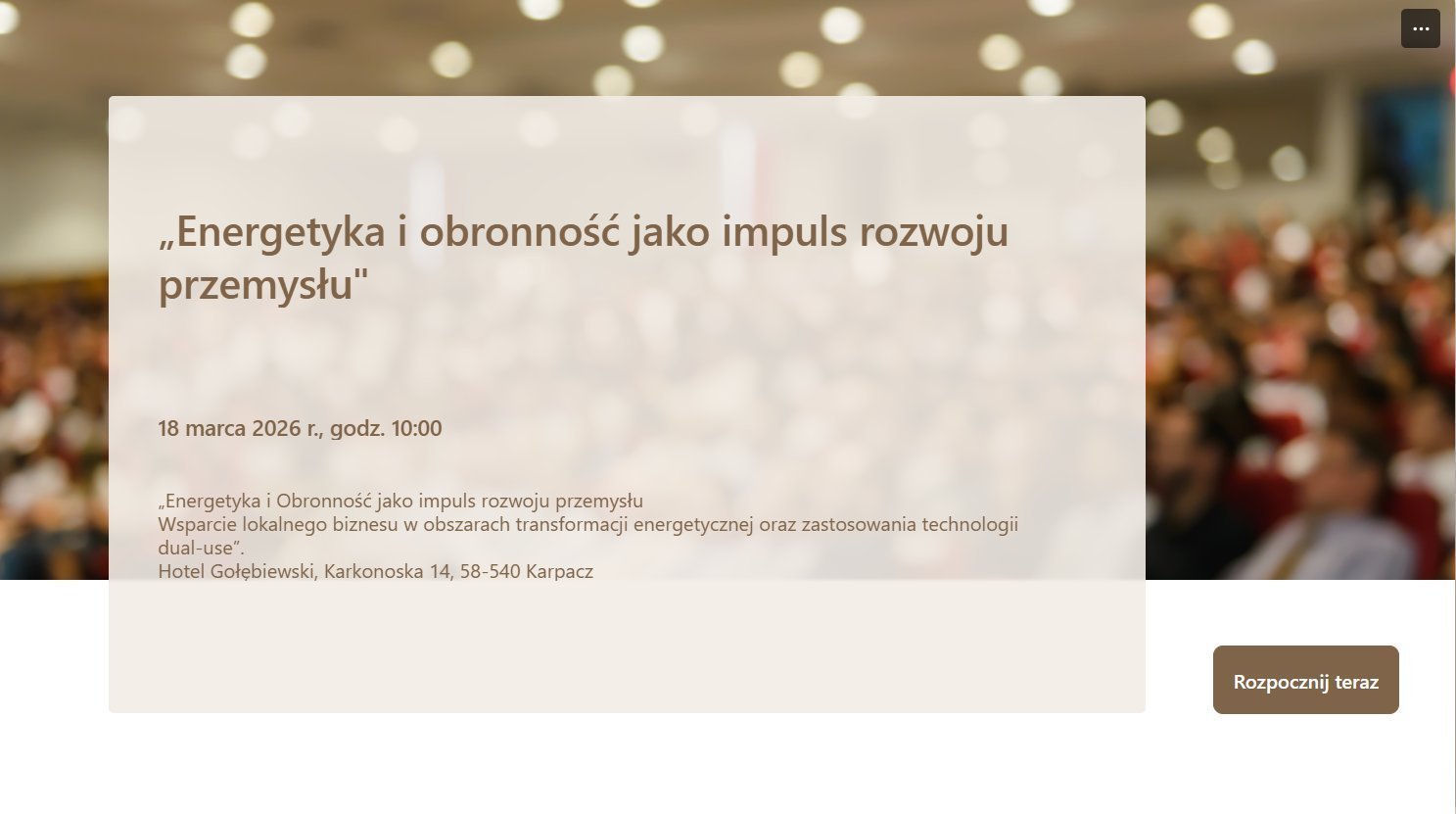
Energetyka i Obronność jako impuls rozwoju przemysłu
18.03.2026 • 10:00

Energetyka i Obronność jako impuls rozwoju przemysłu

Podczas konferencji odbędzie się spotkanie wszystkich Rad Rozwoju Obszaru Gospodarczego działających przy Specjalnych Strefach Ekonomicznych.  Przedstawicielem K-S SSE S.A. jest …
View details →
21.05.2026

Posiedzenie Rady Rozwoju Obszaru Gospodarczego

Podczas Konferencji wPSI Forum Gospodarcze K-S SSE S.A. odbędzie się posiedzenie RROG. Szczegóły wkrótce.
View details →

RROG Event Coverage

Summaries and coverage of Economic Area Development Council sessions

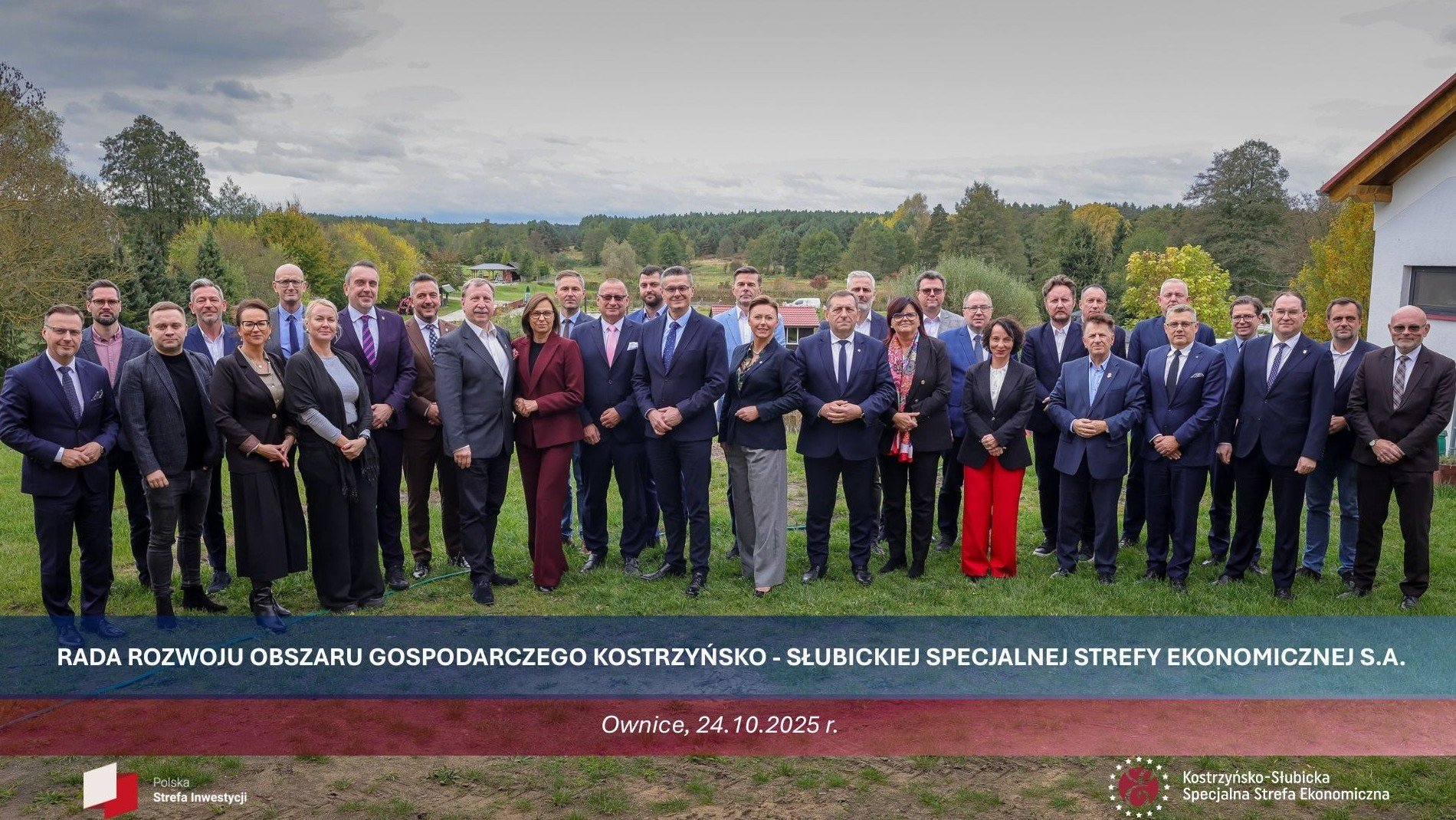
POSIEDZENIE RADY ROZWOJU OBSZARU GOSPODARCZEGO K-S SSE S.A. Ownice 24.10.2025

POSIEDZENIE RADY ROZWOJU OBSZARU GOSPODARCZEGO K-S SSE S.A. Ownice 24.10.2025

Read more →